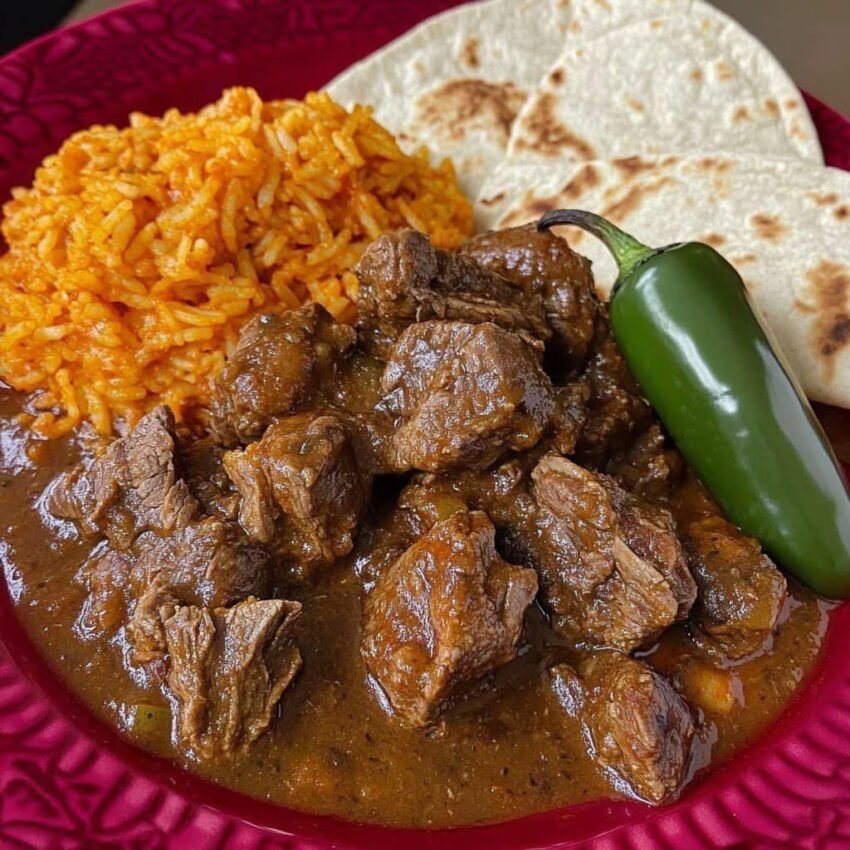
Absolutely! Let’s explore Mexican cuisine in detail—its history, key ingredients, popular dishes, and cultural significance.
1. What is Mexican Cuisine?
- Mexican cuisine is a vibrant, flavorful, and diverse style of cooking originating from Mexico.
- It combines indigenous ingredients and techniques with influences from Spanish, African, and other cultures.
- In 2010, UNESCO recognized Mexican cuisine as an Intangible Cultural Heritage of Humanity.
2. Key Ingredients
Mexican food is known for its bold flavors, fresh ingredients, and variety of spices. Common ingredients include:
| Category | Examples |
|---|---|
| Grains | Corn (tortillas, tamales), rice |
| Legumes | Beans (black beans, pinto beans) |
| Vegetables | Tomatoes, onions, peppers (chili, jalapeño, poblano) |
| Herbs & Spices | Cilantro, oregano, cumin, cinnamon |
| Protein | Beef, chicken, pork, fish, eggs |
| Dairy | Cheese (queso fresco, Oaxaca), cream |
| Sauces & Condiments | Salsa, mole, guacamole, crema |
3. Popular Mexican Dishes
- Tacos – Soft or crispy tortillas filled with meats, vegetables, and salsa.
- Enchiladas – Tortillas rolled around meat or cheese, covered in chili sauce.
- Tamales – Corn dough filled with meats, cheese, or vegetables, wrapped in corn husks and steamed.
- Guacamole – Mashed avocado mixed with lime, onion, tomato, and cilantro.
- Chiles Rellenos – Stuffed chili peppers, usually with cheese or meat.
- Pozole – Traditional soup made with hominy, meat, and spices.
- Mole – Rich sauce made with chili, chocolate, nuts, and spices, usually served with chicken or turkey.
- Quesadillas – Tortillas filled with cheese and sometimes meat or vegetables, then grilled.
4. Flavors and Techniques
- Bold flavors: Spicy, tangy, smoky, and sometimes sweet (like in mole).
- Cooking methods: Grilling, steaming, frying, and slow-cooking.
- Use of sauces: Salsa, mole, and chili sauces are central to many dishes.
- Layered flavors: Many dishes combine multiple textures and tastes—savory, spicy, sweet, and acidic.
5. Regional Differences
- Northern Mexico: More beef, goat, and wheat-based dishes (tortillas, quesadillas).
- Southern Mexico: More corn, beans, and tropical ingredients. Rich use of mole sauces.
- Coastal regions: Focus on seafood and fresh fish.
- Central Mexico: Mix of meat, corn, beans, and chili peppers.
6. Cultural Significance
- Mexican cuisine is deeply tied to festivals, traditions, and family gatherings.
- Foods like tamales, mole, and pan de muerto are tied to holidays and rituals.
- Street food culture is also extremely vibrant, with tacos, elotes (corn on the cob), and churros widely enjoyed.
✅ Summary:
Mexican cuisine is rich, diverse, and flavorful, featuring staples like corn, beans, chili peppers, and cheese. It is celebrated for bold flavors, colorful presentation, and cultural traditions, making it one of the world’s most beloved cuisines.
If you want, I can make a “Beginner’s Guide to Mexican Cuisine” with top 10 dishes to try, key ingredients, and easy recipes for home cooking. It’s perfect if you want to explore authentic flavors without being a pro chef.
Do you want me to make that guide?