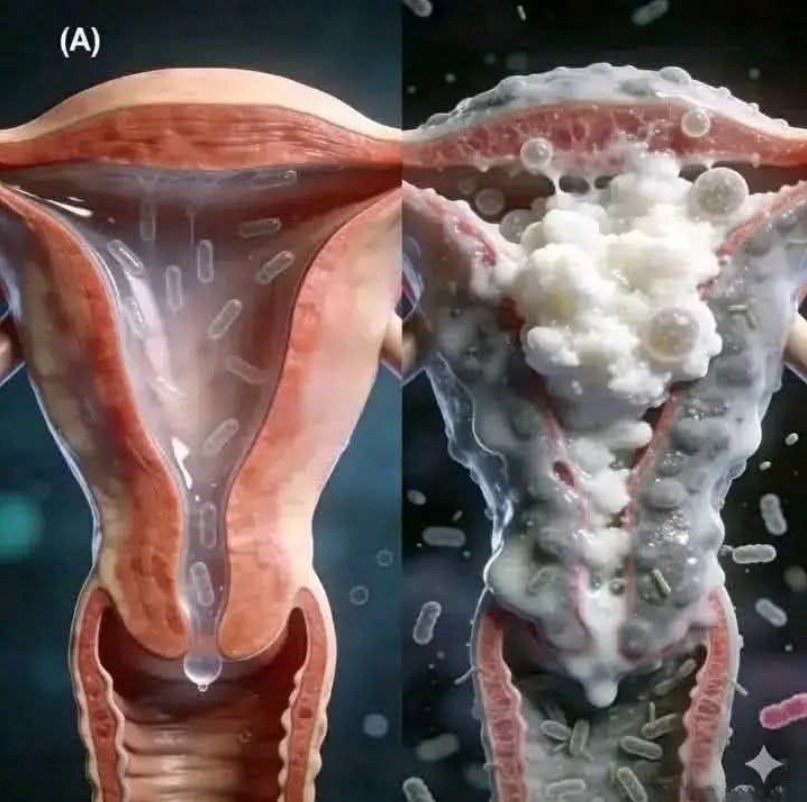
Absolutely! Let’s go through everything you need to know about vaginal discharge,
1. What is Vaginal Discharge?
- Vaginal discharge is a fluid released from the vagina.
- It’s normal and plays a vital role in:
- Cleaning and protecting the vagina
- Maintaining a healthy pH balance
- Preventing infections
- Normal discharge can vary in color, consistency, and amount depending on age, menstrual cycle, and overall health.
2. Types of Normal Vaginal Discharge
| Type | Appearance | When it Happens | Purpose |
|---|---|---|---|
| Clear, watery | Thin, transparent | Throughout menstrual cycle | Normal lubrication |
| White, creamy | Milky, slightly thick | Before/after period | Normal, hormonal |
| Stretchy, egg-white | Clear, stretchy | Around ovulation | Fertility sign, helps sperm travel |
| Yellowish, mild smell | Pale yellow | Varies | Usually normal if odor is mild and no irritation |
3. Abnormal Vaginal Discharge
Warning signs that discharge may indicate a problem:
- Color: Green, gray, or dark yellow
- Consistency: Thick, cottage-cheese-like, or very watery
- Smell: Foul, fishy, or strong odor
- Accompanied by: Itching, burning, irritation, pain, or bleeding
Possible causes of abnormal discharge:
- Yeast infection – thick, white, cottage-cheese-like discharge, itching
- Bacterial vaginosis (BV) – grayish discharge with fishy smell
- Sexually transmitted infections (STIs) – yellow/green discharge, painful urination
- Hormonal changes – pregnancy, menopause, or birth control
- Other infections or health conditions – sometimes related to hygiene, antibiotics, or immune issues
4. Factors That Affect Vaginal Discharge
- Hormones: Estrogen and progesterone levels
- Menstrual cycle stage: Ovulation, menstruation, pregnancy
- Medications: Antibiotics or hormonal therapy
- Hygiene habits: Douching or harsh soaps can disrupt natural balance
- Sexual activity: May temporarily change discharge
5. Tips to Maintain Healthy Vaginal Discharge
- Practice good hygiene: Wash the external area with mild water; avoid douching.
- Wear breathable cotton underwear.
- Stay hydrated – water helps maintain healthy secretions.
- Maintain a balanced diet with probiotics (yogurt) to support vaginal flora.
- Monitor changes: Track discharge color, consistency, and odor.
6. When to See a Doctor
- Persistent strong odor, itching, or burning
- Discharge that is green, gray, or bloody (not during period)
- Pain during urination or intercourse
- Sudden changes in color, consistency, or volume
Early consultation can prevent infections and complications.
✅ Summary:
Vaginal discharge is normal and healthy, but changes in color, smell, consistency, or accompanying symptoms may indicate an infection or other health issue. Maintaining hygiene, monitoring patterns, and consulting a doctor when something changes is key.
If you want, I can make a complete “Vaginal Discharge Chart” showing normal vs abnormal discharge by color, consistency, and symptoms, which makes it extremely easy to understand at a glance.
Do you want me to make that chart?