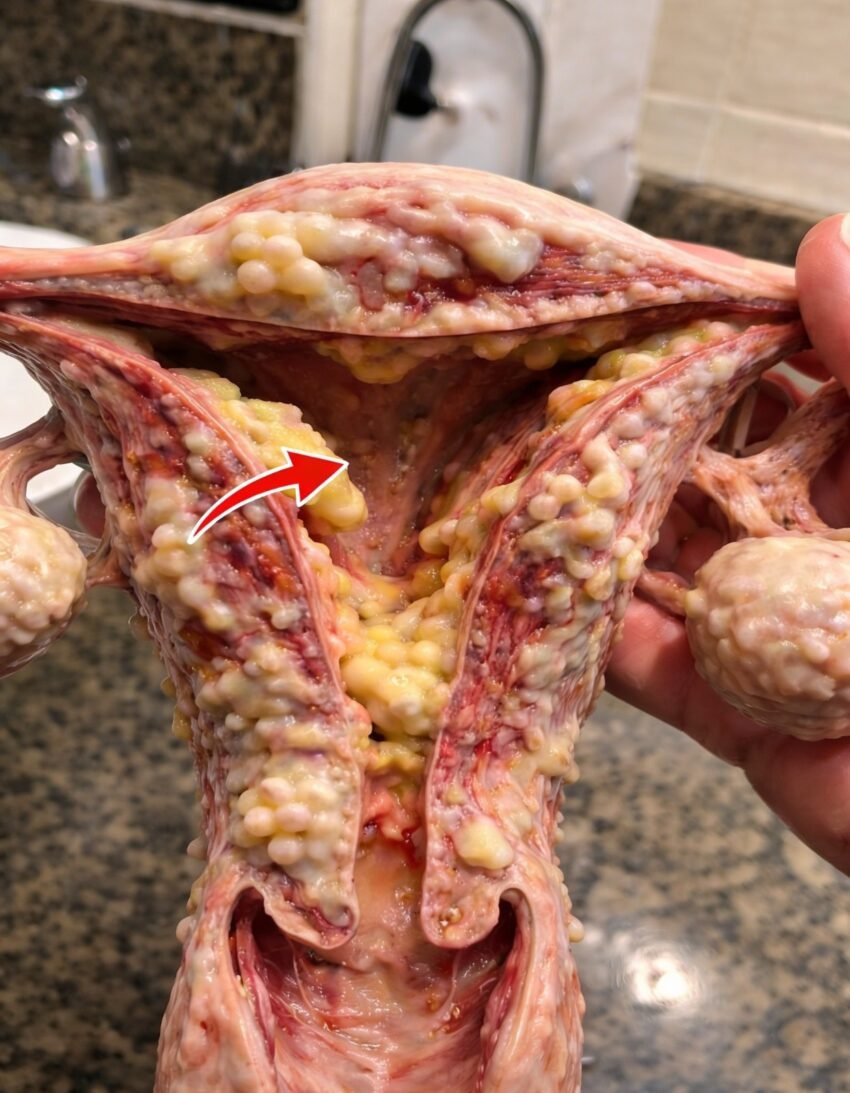
A fishy vaginal odor is a common concern and usually signals an imbalance in the vaginal environment, not necessarily a serious disease. Here’s a clear explanation of the top causes and prevention strategies.
🦠 Top Causes of Fishy Vaginal Odor
1️⃣ Bacterial Vaginosis (BV)
- What it is: Overgrowth of certain bacteria in the vagina.
- Symptoms: Thin, grayish discharge, fishy smell (often stronger after sex).
- Notes: It’s the most common cause of fishy odor in women of reproductive age.
2️⃣ Trichomoniasis
- What it is: Sexually transmitted infection caused by the parasite Trichomonas vaginalis.
- Symptoms: Frothy yellow-green discharge, strong fishy smell, itching, burning.
- Notes: Needs prescription treatment (antibiotics).
3️⃣ Poor Hygiene or Residual Sweat
- Tight clothing or synthetic fabrics can trap sweat and bacteria.
- Soap overuse or harsh washes can disturb natural vaginal flora, sometimes worsening odor.
4️⃣ Retained Menstrual Products
- Leaving tampons or pads in too long can lead to odor due to bacterial growth.
5️⃣ Diet and Lifestyle Factors
- Diets very high in fish, garlic, or certain spices can subtly influence vaginal odor.
- Smoking may also affect odor.
🛡️ Simple Prevention Tips
- Maintain a healthy vaginal pH
- Avoid harsh soaps or douching — these can disrupt natural bacteria.
- Stick to water or mild, unscented cleansers.
- Practice safe sex
- Use condoms to reduce risk of infections like trichomoniasis.
- Limit multiple sexual partners to reduce risk of bacterial imbalance.
- Wear breathable clothing
- Cotton underwear and loose-fitting clothes help reduce moisture buildup.
- Change menstrual products regularly
- Tampons: every 4–8 hours
- Pads: every 3–6 hours
- Eat a balanced diet and stay hydrated
- Yogurt with live cultures can support healthy vaginal bacteria.
- See a healthcare provider if persistent
- BV or trichomoniasis require treatment.
- Persistent odor may signal other infections or imbalances that need evaluation.
✅ Bottom line: A fishy odor usually signals a minor imbalance, often bacterial. It’s treatable and preventable, but persistent or unusual symptoms should be checked by a clinician.
If you want, I can also make a quick guide to home habits and diet changes that support natural vaginal balance and reduce odor safely.