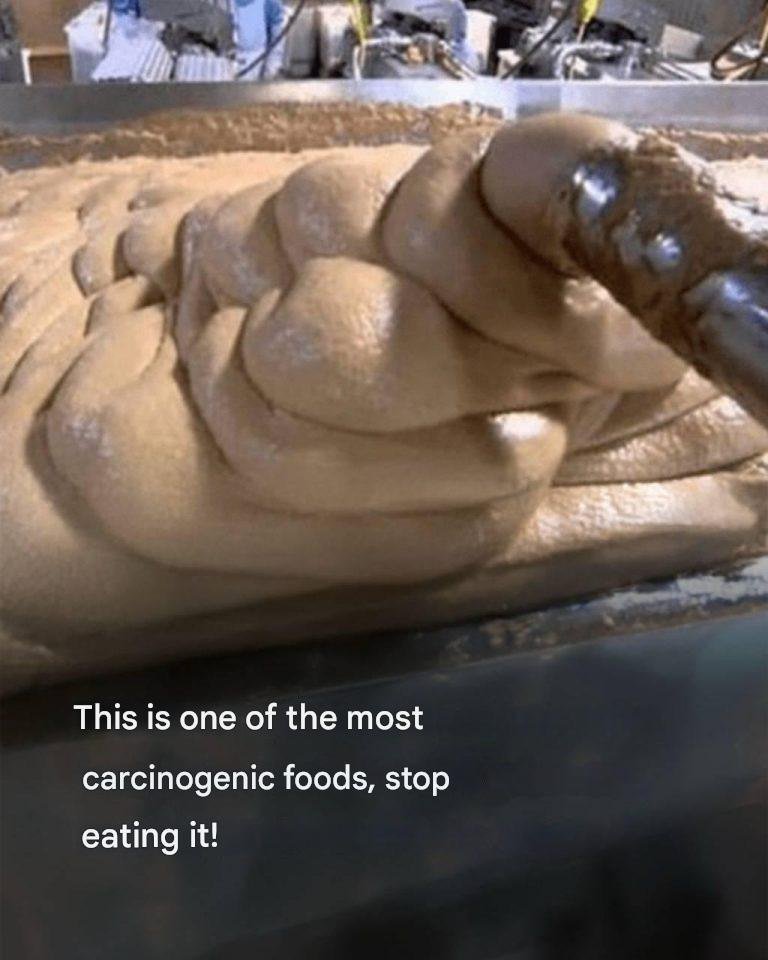
Headlines like that are designed to scare you — but almost no commonly eaten food is “real poison” in normal amounts.
Usually, articles with that kind of language are referring to one of these:
🥓 1️⃣ Processed Meats
Examples: bacon, sausage, hot dogs, deli meats
Organizations like the World Health Organization classify processed meat as a Group 1 carcinogen (linked to increased colorectal cancer risk).
⚠️ Important:
That does not mean it’s “poison.” It means frequent, high intake over time is associated with higher cancer risk.
🍟 2️⃣ Ultra-Processed Foods
Packaged snacks, sugary cereals, soda, fast food
High in:
- Refined sugar
- Refined oils
- Sodium
- Additives
Regular heavy consumption is linked to obesity, diabetes, and heart disease — but again, dose matters.
🥤 3️⃣ Sugary Drinks
Soda and sweetened beverages are strongly linked to:
- Type 2 diabetes
- Fatty liver disease
- Weight gain
But an occasional soda is not “poison.” Daily large amounts? That’s where risk rises.
🧂 4️⃣ Excess Salt
Too much sodium can raise blood pressure — especially in salt-sensitive individuals.
The Real Truth
Very few foods are toxic in the way the word “poison” implies. Risk usually depends on:
- How much
- How often
- Your overall diet
- Your health conditions
The human body is remarkably resilient. Chronic overconsumption — not a single weekly food — is what drives most diet-related disease.
If you tell me which food the article mentioned, I can break down:
- What the research actually says
- How much is considered risky
- Whether you really need to worry
Because most of the time… the headline is scarier than the science.